More Than a Vendor: How Harrigan’s CAMP Protects Audits, Uptime, and Trust
April 13, 2026
Case Study: How Harrigan Helps a Midwest Cheese Plant Stay Audit-Ready
July 14, 2026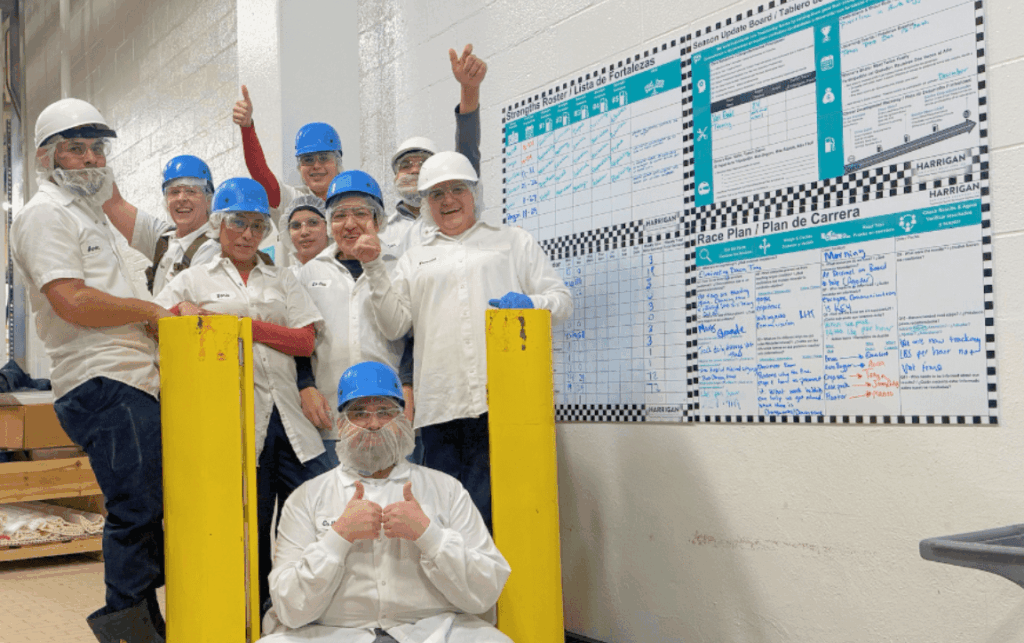
Harrigan Sanitation Solutions approaches sanitation the same way a racing team approaches a pit stop: with precision, coordination, and a defined role for every person on the crew. Our Pit Crew model is designed to help food plants reduce downtime, improve capacity, and stay competitive without sacrificing safety or quality. In fact, safety and quality aren’t constraints on speed. They’re what make speed sustainable.
Where Time Is Won or Lost
Sanitation is a critical part of the production cycle. When it runs smoothly, operations stay on track. When it doesn’t, delays spread across the plant.
Common challenges include:
- Extended downtime between production runs
- Inconsistent sanitation outcomes
- Labor shortages and high turnover
- Pressure to meet increasing production demands
These issues can directly impact your ability to hit production goals.
The Pit Crew Model in Action
In racing, every member of the pit crew has a defined job. When the car pulls in, the team executes, and the driver gets back on the track—fast, but always within the boundaries of what’s safe and sound. A tire improperly seated or a fuel line rushed is a liability. Speed only counts when the car can finish the race.
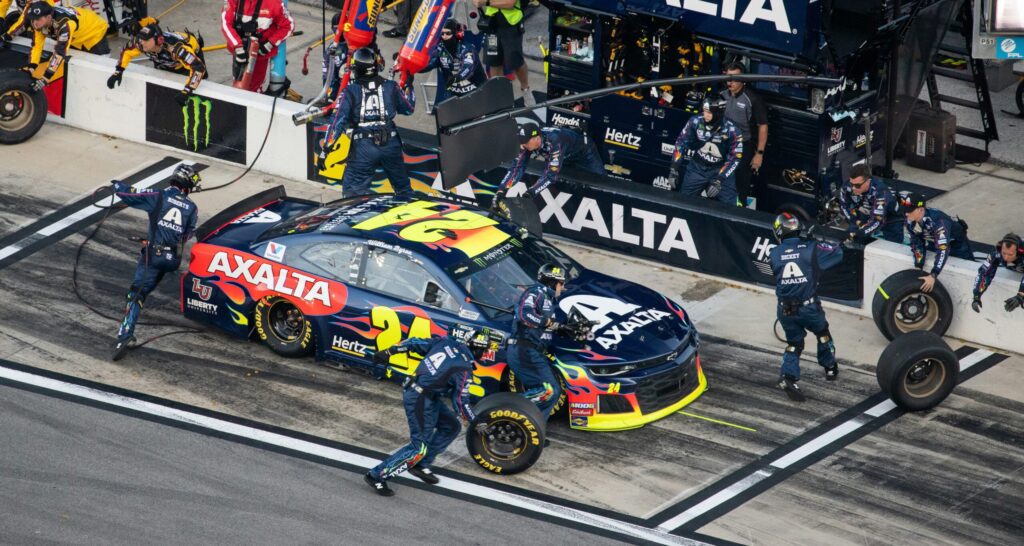
But the work doesn’t stop at the wall. After every stop, the crew debriefs, reviews what happened, and looks for ways to do it better next time. Crucially, those conversations include everyone—not just the Crew Chief, but every member of the team. Engaged team members have ideas, and the people closest to the work are often the first to see where time is being lost or where a process can improve. That commitment to collective, continuous refinement is what separates good pit crews from championship ones.
Harrigan’s Pit Crew model works the same way. Every crew is structured with a Crew Chief, Crew Lead, and Crew Members, ensuring clear communication, accountability, and consistent execution on every shift. Each role has defined responsibilities, so when your line needs to start up, our team is already running. After every shift, we’re already thinking about how to run it better.
Our crews are trained specifically in food plant sanitation best practices, using lean practices to work faster, more efficiently, and more safely.
A System That Keeps Improving
Speed and reliability come from consistent improvement, and that improvement only happens when teams stay together long enough to get better—and when everyone has a voice in the process. In an industry known for high turnover, Harrigan maintains turnover rates two-thirds lower than the industry average. That stability means the people on your floor know your plant, know the process, and are invested in improving it.
Every week, Crew Members participate in structured improvement conversations, bringing the people closest to the work into the process of making it better. These are collaborative debriefs where every role contributes. The result is measurable gains in efficiency, reduced downtime, and stronger overall performance over time, all built on a foundation of safe, quality sanitation outcomes.
Moving Toward the Checkered Flag
Reliable sanitation is a competitive advantage. With the right teams, systems, and mindset in place, it becomes a driver of efficiency rather than a barrier to production. Interested in learning more? Submit a contact form or reach Bill at bharrigan@harrigansolutions.com today.